Thrown In At The Deep End
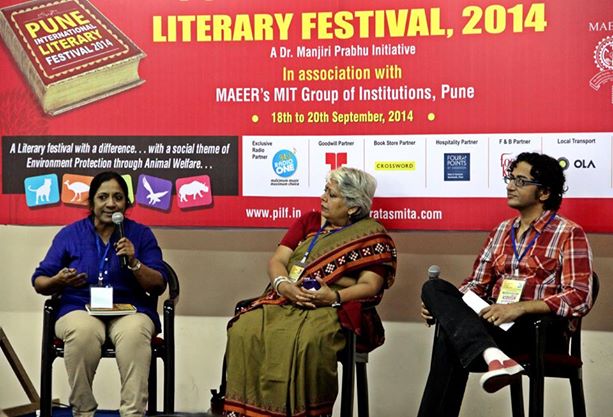
It was a predicament only a kind heart could have got me in to. When I sat between Apurv Nagpal and Nalini Rajan at the second edition of the Pune International Literary Festival to moderate a discussion on their respective books, I was taking on a role for which I was ill-equipped. I had turned up to look in on this discussion in between sessions I was doing for my own book and the publishers I work for. The poet/writer/academic who was actually slated to moderate this session, R Raj Rao, had been delayed in arriving at the venue, (due to the Festival’s inexplicable logistics, as it turned out) and my calls to his number were not going through. Nalini, whom I have known from my long stay in Chennai, suggested I step in, and Apurv, wanting to get things going, agreed enthusiastically.
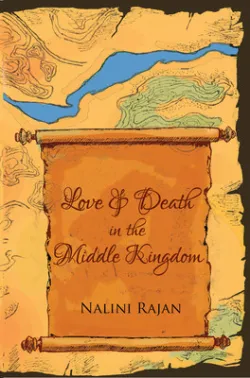
So there I was, seated between Apurv Nagpal author of Eighteen Plus: Bedtime Stories for Grown-Ups and Nalini Rajan, who has written Love and Death in the Middle Kingdom, besides several other books. The session was to focus on various dimensions of erotic writing. Actually, its festival nomenclature was: Different Fiction: The Identity Crisis.
The contrast between their respective work was immediately obvious. Apurv described having begun writing about sex because there was good feedback from his friends for his first stories. He also spoke of wanting to ‘loosen up’ prudish views that still prevail around us even though they sit at odds with the actual facts and practices of the 21st century. Nalini’s book under discussion described a taboo relationship in the 16th century Vizianagara kingdom. In fact,
“A sixteenth century Vijayanagara courtier, Devadatta is drawn into a strange and intoxicating, even forbidden, friendship with a Persian traveller and a Portuguese trader. In a society driven by caste centred norms and pollution taboos, the stealthy love affair between the courtier and the Persian must lead them inevitably into a horrific doom. Centuries later, the courtiers diary, is discovered quite by chance in the Indian west coast town of Honavar by a student of History, Sharat, who translates the tale from its native tongue to English. Along with his female colleague Nitya, from Delhi University, he sets out on an exciting journey into history through the pages of the diary. What happens thereafter proves to be not only a voyage of self discovery but also an exploration of some of the meanings and lessons in history, in life.”
is how it is described on https://www.goodreads.com/book/show/18679843-love-death-in-the-middle-kingdom
I have not yet read this book, but knowing Nalini, and from the excerpts she read out at PILF, I know the work describes relationships and sex with a nuanced understanding of gender and power – the two most loaded and significant factors that influence sex between people.
I picked up Apurv’s book soon after PILF – we live in the same city and are bound to run into each other at some point. I was also feeling guilty for not knowing anything about either of the books that day, when I sat down to draw out the authors! I have since read Eighteen Plus and what strikes me is the perils of writing about sex without all the additional elements that substantiate its place in our lives. The stories in Nagpal’s book live up to their billing in being centred around sex. They also contain the irreverent humour he spoke of. http://www.thehindu.com/books/books-authors/sex-laughter-videotapes/article5443649.ece
A lot of them shed different degrees of light on the ‘battle-of-the-sexes’ situation that prevails in any ordinary marriage. However, choosing not to go into the dark alleys of what makes the act of sex so life-threatening in certain situations, they remain outside the realm of those works that really increase our acceptance, understanding, even desire, for sex. Although they do address the concerns of women, these relate more to what a woman will like done to her, and what is an absolute no-no in bed, rather than any larger interpretation.
Eighteen Plus brings us giggles when it describes the travails of a husband trying to get his way past the cast-iron clothing and TV screen fixation of his wife. It makes us laugh at behind-the-scene occurrences at big family weddings in Lonavla or engagements in Kolkata. But for all its light-hearted approach to sex, it stays firmly fixed in the male gaze. Nowhere is this more evident than in the chilling story of the IPL escort. It appeared to me that we were provided an intimate glimpse into her bedroom at the beginning of the story only to make the horrifying events of the rest of the story appear less of a violation. Also, in another story, a man’s size is enough reason for a woman to lie back and let her doubts about him melt away. This is the place where one sighs and says, ‘I wish it were that simple…’
In such terms, it is difficult not to compare Nagpal’s work with the erotica written by Anais Nin way back in the last century, or the more recent shades of grey. The erotica of Delta of Venus is replete with setting and character, and while every page describes the act of sex (for which she was being paid a dollar a page in the early 1940s) there is enough in the words to evoke a visual feast for the reader. The 50 Shades of Grey book, while being tediously focused on the woman’s abject surrender to her need for Christian Grey, does give some hint of complexity in the way she grapples with that need. Without the larger contexting of sex in Nagpal’s stories in the conditions that affect all of us, and the relationships that stay in our memories, the tales themselves begin to seem like quickies. Good before bed, certainly, but perhaps not for a great night’s sleep.